Outside, together · Updated guide
Camping and trekking kit: organise your pack and lighting
Prepare camping and trekking essentials: packing, personal lighting, charging and sharing equipment. A practical checklist before you leave.
The essentials, first
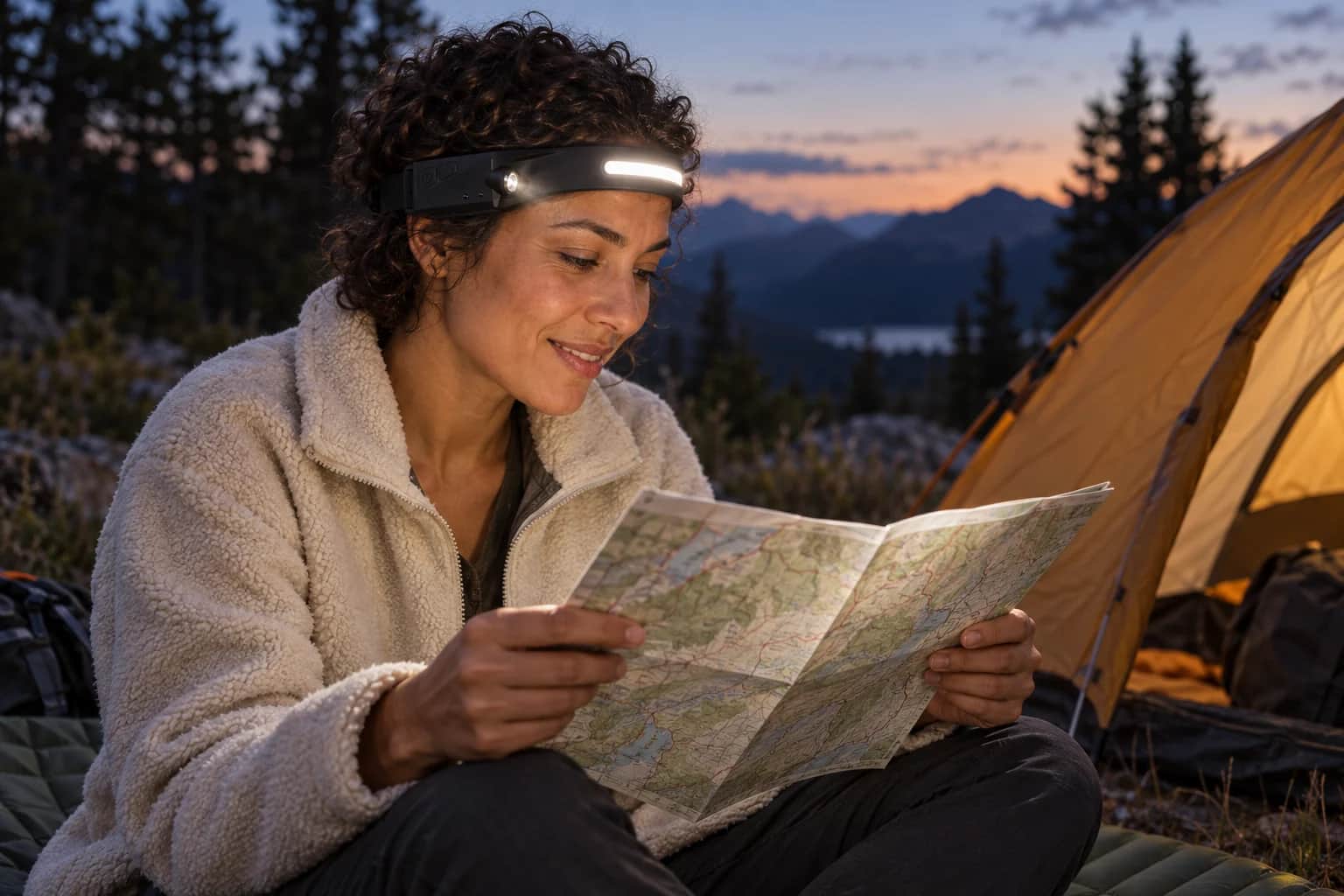
Organise equipment in the order you will use it: walking, setting up camp, spending the evening and leaving again. Keep your headlamp accessible, check its charge and plan a personal light for each participant. Match the rest of your pack to the route, weather and available supplies.
Keep in mind
- An accessible lamp is more useful than one buried in your pack.
- Arrange charging and backup lighting before departure.
- Share communal kit, but keep a personal light each.
In this guide
1. Pack around your route
An equipped campsite and a trekking stage without accommodation require different plans. Note duration, terrain, expected conditions and what will actually be available at the destination. Separate supplied equipment from what you must carry.
FFRandonnée includes a headlamp in its packing advice, particularly for dark passages or late hours. Its full list places lighting alongside other walking needs.
Our approach is to lay out your kit and group it by when you will use it. This makes omissions easier to spot without turning each outing into a reason to buy accessories.
- Walking: suitable footwear, clothing for expected conditions and accessible route information.
- Breaks and overnight stays: water, food and sleeping kit suited to the location.
- Organisation: useful documents, communication and appropriate emergency equipment.
- Lighting: an accessible, charged lamp with familiar controls.
2. Give your headlamp a regular place
Choose a pocket you can reach without unpacking everything. Keep the lamp there throughout the outing. Before leaving, find it and switch it on to catch an insufficient charge or unfamiliar control.
The aim is to read a sign, find an object or finish packing with both hands free. A phone light can help temporarily, but it occupies a hand and uses the phone’s battery. It is not a replacement for planning your main light.
3. Rehearse the camp routine
At home, try the tasks you may face after sunset: opening the bag, identifying tent components and packing small items. This is an organisational rehearsal, not a runtime or performance test.
At camp, point the light at your task rather than nearby people. Use a lower setting if available and appropriate, and switch off when finished. Keep the lamp within reach overnight.
Equipment preparation does not replace checking site access and camping rules. Read the site manager’s information before departure.
4. Confirm charging rather than assuming a socket
List when you expect to use the lamp: setup, evening and perhaps an early departure. Compare that need with documented runtime at the intended setting. Ask if the figure is missing; an unclear maximum is not an all-night guarantee.
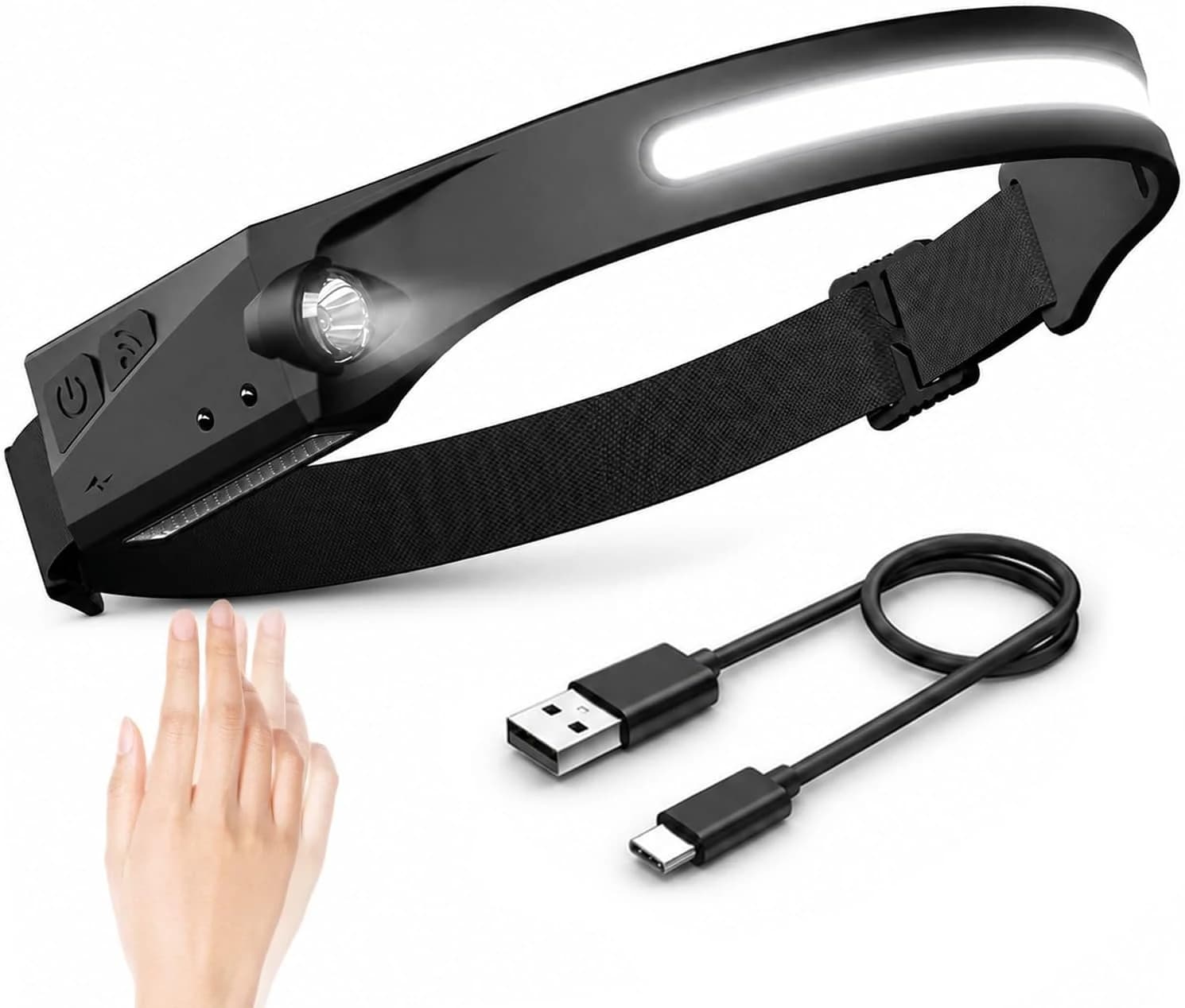
Charge according to the manual before leaving. For several days, confirm actual charging opportunities, the cable and power-source compatibility, and try the combination beforehand. Plan backup lighting appropriate to the consequences of a failure, especially if moving in darkness.
- Lamp checked and charged before departure.
- Suitable cable and confirmed power source if needed.
- Familiar operating mode and off control.
- Accessible, checked backup lighting.
5. Share the kit, not your only lamp
Some camp equipment can be shared, but separate lights make independent tasks and movements easier. Agree where shared items will be kept before darkness falls.
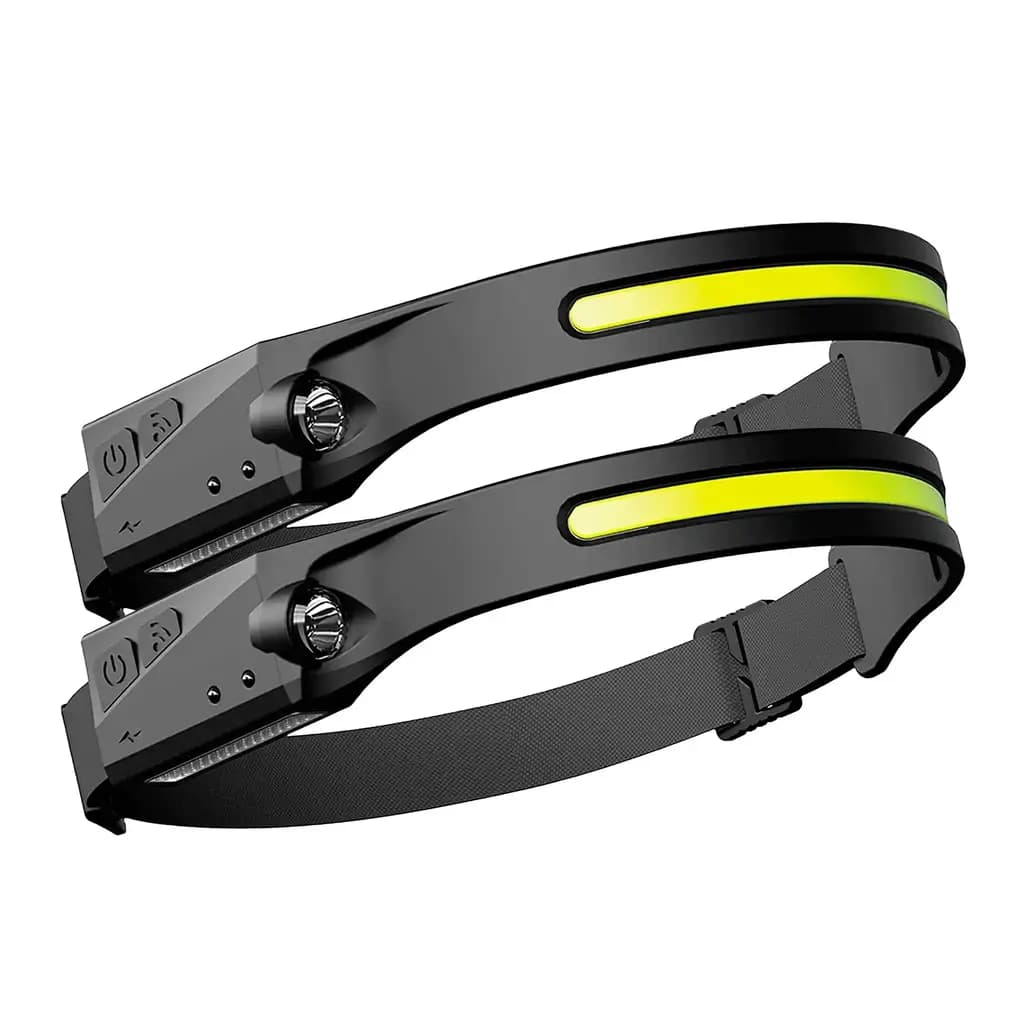
The Dealeez white headlamp two-pack contains two of the single model. It equips two people; it does not extend one lamp’s runtime or add a protection rating. Check product details and instructions against your plans. Demanding or remote routes need equipment chosen for their specific constraints.
Your questions, answered.
Is a headlamp useful if I plan to return in daylight?
It prepares you for a possible need for light. Match your equipment to the route and allow enough time; carrying a lamp is not a reason to extend an outing beyond your abilities.
Does each camper need a lamp?
A personal lamp is a practical way to stay independent for tasks and movement. A shared tent light does not accompany someone who leaves it.
Does a two-pack replace backup lighting?
Not automatically. If two people use the two lamps, each still depends on their own. Plan backup according to the route and consequences of a failure.
Sources and references
- FFRandonnée — Préparer son sac à dosAccessed October 1, 2026
Published · Updated
Explore the collection
Your own light, even when travelling together
Compare the single and two-pack white headlamps, then find model-specific instructions in the manuals.
Find my manual